INVESTING

30 June is fast approaching. For property investors, it’s a natural time to review your position and get records in order before the financial year closes.

Property investors may be motivated by different goals. With changing market conditions and some areas seeing slower price growth, some investors may be placing greater focus on rental yield and cash flow rather than capital growth alone. This shift may influence both property selection and financing decisions.

When it comes to buying an investment property, you don’t necessarily need to limit yourself to your own backyard.

For many property investors, 2025 offered compelling reasons to buy.
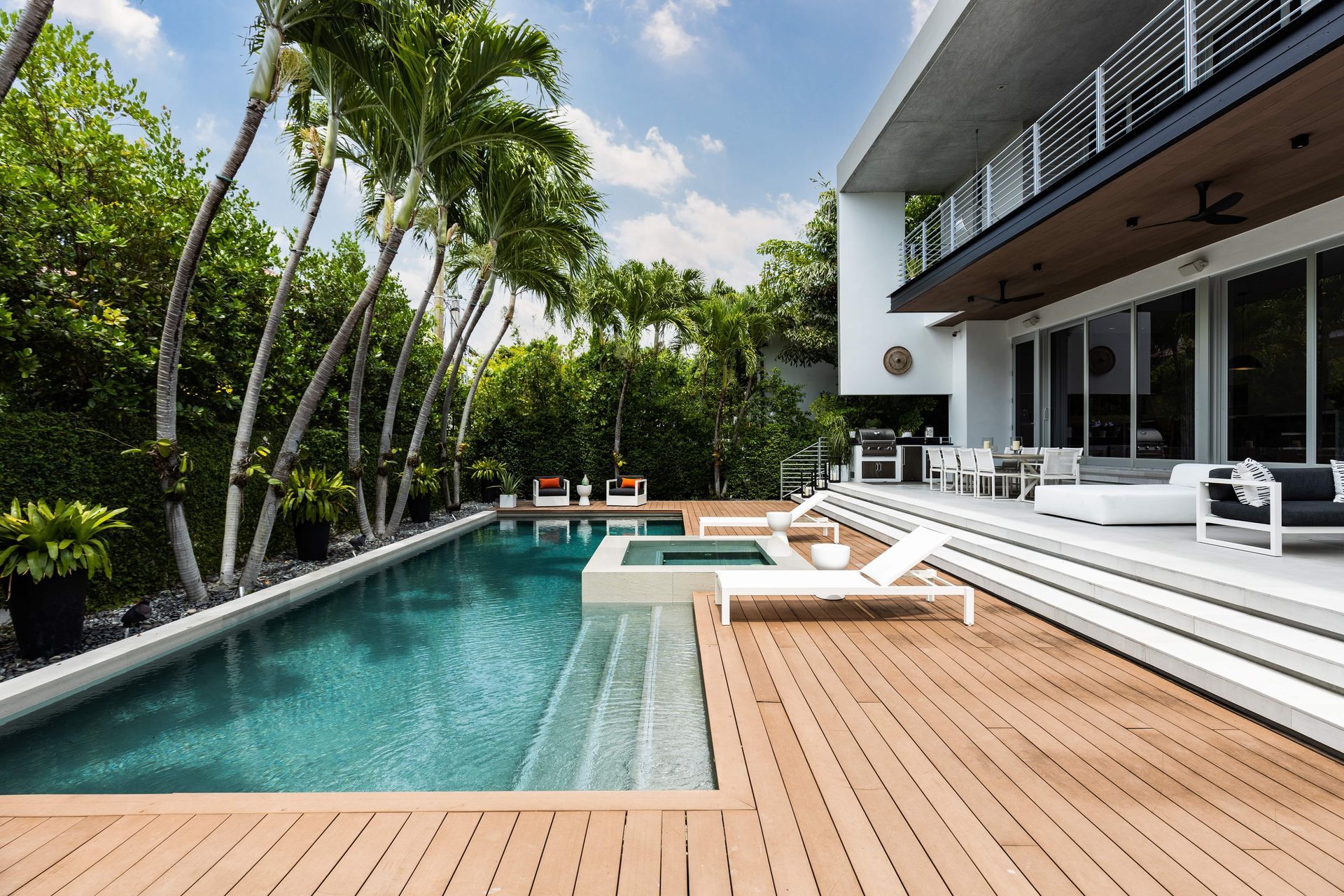
Imagine waking up in a cosy mountain retreat or in a beach shack overlooking the ocean – all in your very own holiday home. Sounds dreamy, right?

While some property investors prioritise rental yield – that is, how much income a property earns, as a percentage of its value – others see capital growth as the ultimate objective.

Buying an investment property in another state or territory can open the door to a range of new opportunities. From more affordable price points to higher rental yields and market diversification, there are plenty of reasons to look beyond your own backyard. But investing interstate also requires careful planning, local insight, and the right financial support.
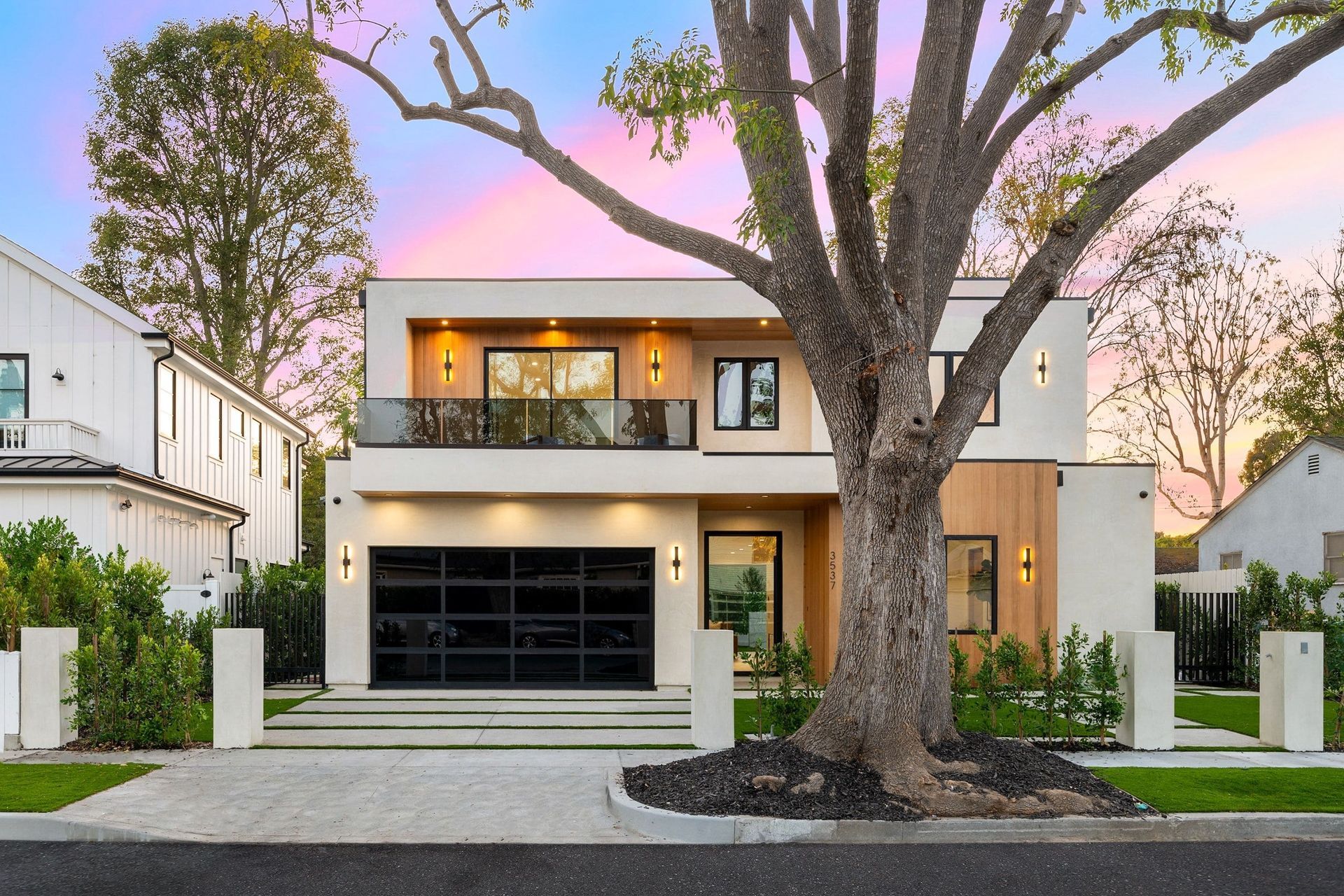
If you’ve paid down your home loan somewhat or your property has appreciated in value, you may be able to use your home’s equity to fund an investment property purchase.

End of financial year tax tips for investors
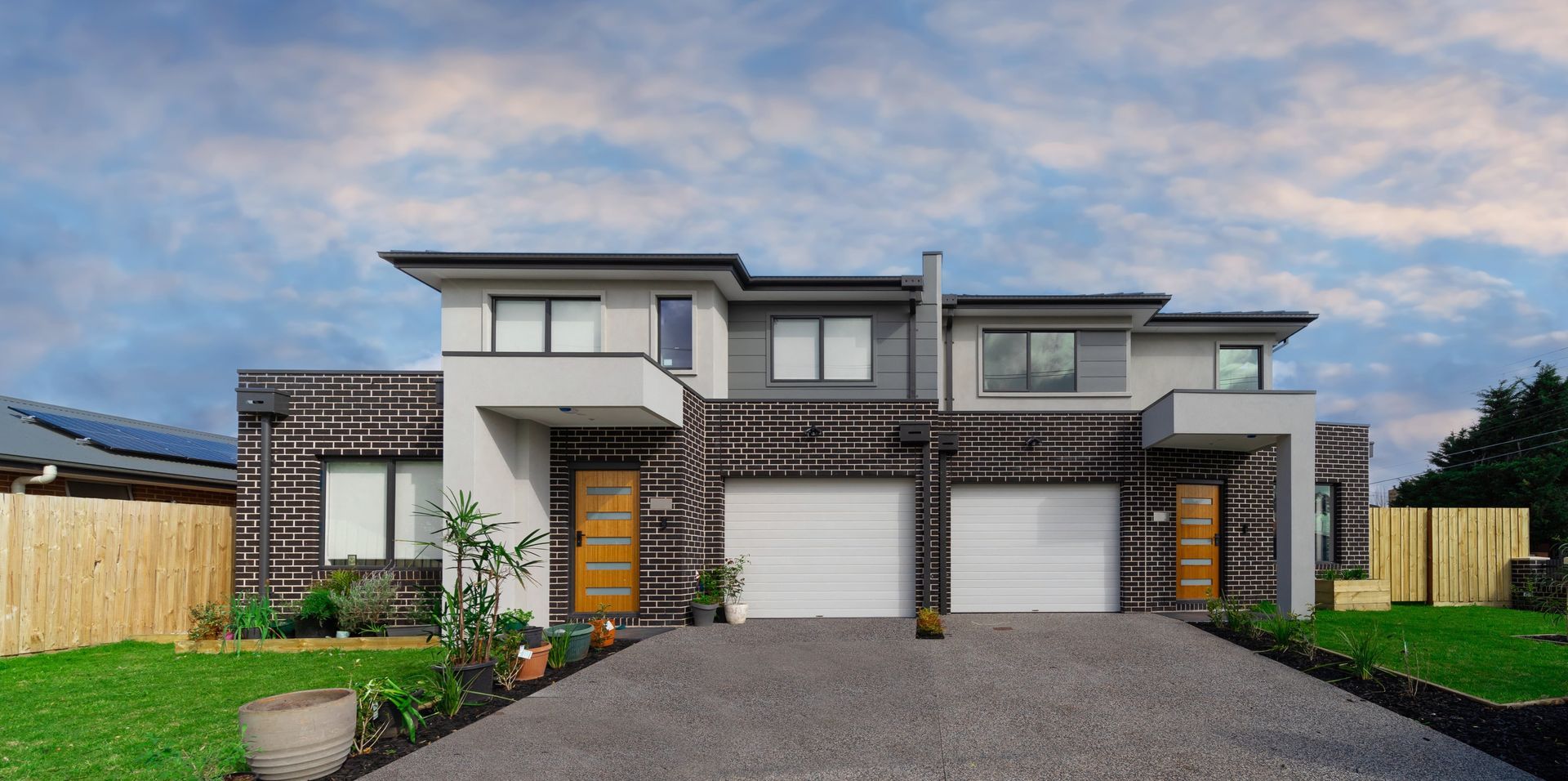
Diving into the world of property investment can be both exhilarating and daunting. With the potential for considerable returns, it’s tempting to jump right in. However, it’s essential to be aware of common pitfalls and arm yourself with strategies to navigate them. Here’s a guide to help you avoid four common mistakes when buying your first investment property.
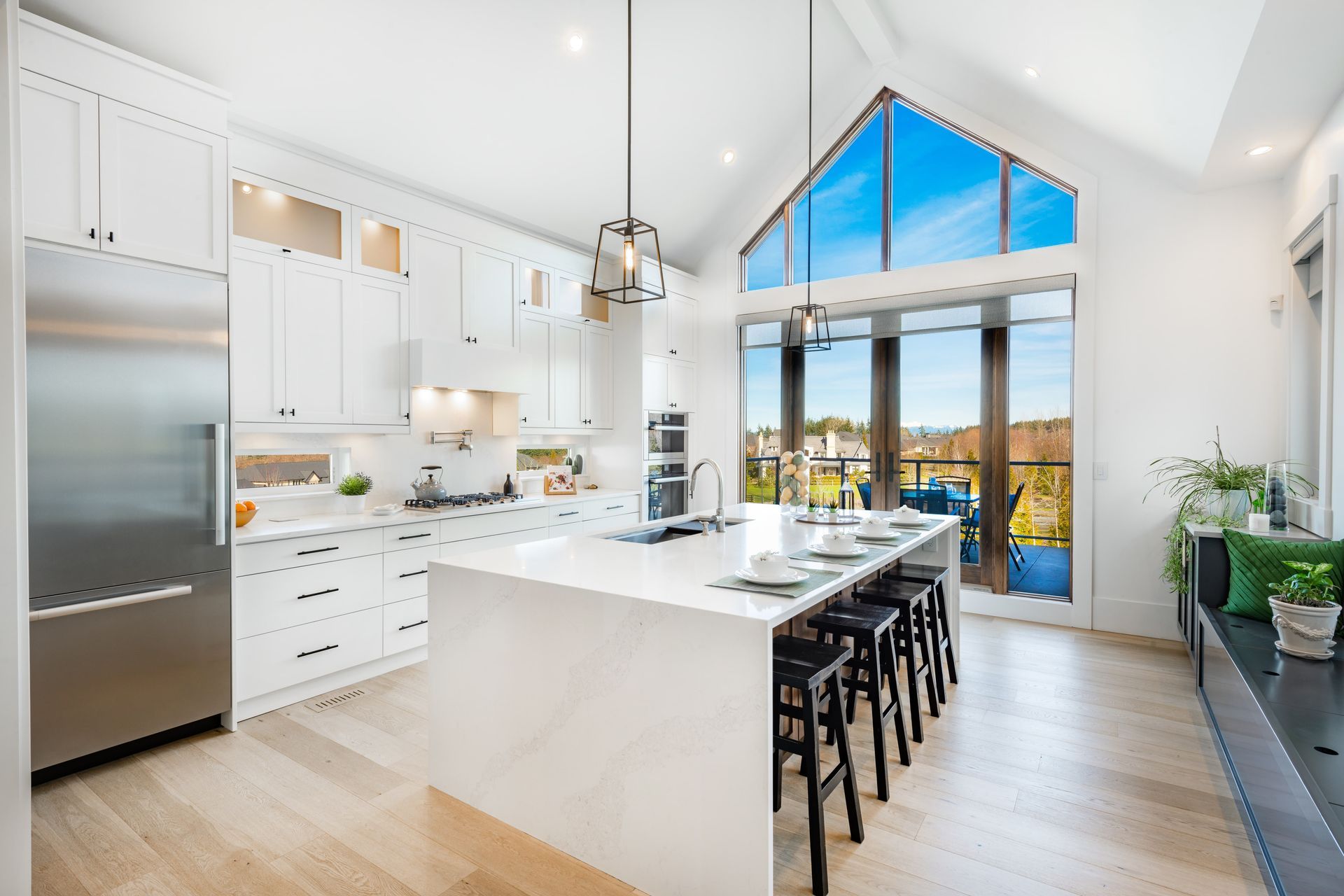
There are many reasons to consider renovating, from making your property more liveable to driving up its market value and increasing the rental income if it’s an investment. So, which renovations should you consider when looking to generate a return on investment? Here’s some inspiration. The kitchen update The kitchen is often the focal point of a property, and it gets a lot of use, so it’s little wonder kitchen updates often drive up resale value. Consider giving your kitchen a facelift by removing walls and making it open plan, adding islands or storage areas or upgrading benchtops, splashbacks, cabinetry and appliances. While it may be tempting to completely rearrange your kitchen layout, relocating plumbing or electrical work can significantly add to your overall costs. Keeping the cabinets in place and simply replacing or resurfacing the doors can offer substantial savings. Cost guide: Anywhere from $10,000 to $45,000+. The bathroom remodel After the kitchen, bathrooms are possibly the next most popular area of the home to renovate. Buyers and tenants love fresh, modern bathrooms, so it’s worth considering as part of your renovation plans. You can start simple by replacing old grout and upgrading fixtures such as taps, sinks, showerheads and mirrors. Re-tiling or adding new baths and showers will obviously cost more but may pay off in the long run. If you’re looking to get fancy, consider adding heated towel bars and flooring. Cost guide: Anywhere from $8,000 to $35,000 . The curb appeal boost First impressions count, and when it comes to prospective buyers or tenants, you want your property to make a good impact. Landscaping can help boost the property’s curb appeal and add value. If it’s an investment property, low-maintenance plants are a smart choice. You may also consider adding lighting and updating the fencing to give your property that ‘wow’ factor. Cost guide: It’s recommended to avoid spending more than 5% to 10% of the property’s value on landscaping. The national median property value is $779,819 , so in this instance, budget for between $39,000 and $78,000. Landscaping estimates vary widely, so make sure to consider multiple quotes before contracting a landscaper. The granny flat build If you have space for it, why not consider building a granny flat to increase your property’s value? Many homeowners are turning to granny flats to generate extra income. According to CoreLogic , adding a granny flat could boost home values by 30 per cent and add around 27 per cent to rental income. Be sure to get in touch with your local council to find out about planning permissions and anything else that’s required. It’s also a good idea to speak to your accountant about the tax implications. Cost guide: The average cost to build a granny flat is $80,000 to $160,000 . The expansion If your house is suitable, you could consider expanding the footprint of your home. When you decide to expand your home, you generally have two options: build outwards or upwards. Many homeowners hesitate to add a second storey, fearing that the costs will be significantly higher than those of a ground-floor extension. To reach a decision, you’ll need to weigh up your budget, your circumstances, the block of land and your existing home to work out which option suits you. It’s estimated that building up will cost about 30% more than building out, but could add between 30 to 60% to the value of your home. Cost guide: Roughly $1,850 to $3,000 per square metre depending on the “degree of difficulty”. Like to explore your finance options? If you’ve paid down your mortgage somewhat or your property’s value has increased, you may be able to access your equity to get your reno off the ground. Otherwise, we can run you through other finance options available that could be available to you. Get in touch today *Costs and prices in this article are indicative and should only be used as a guide. They also vary locally and are subject to market forces. Source: Finance Focus
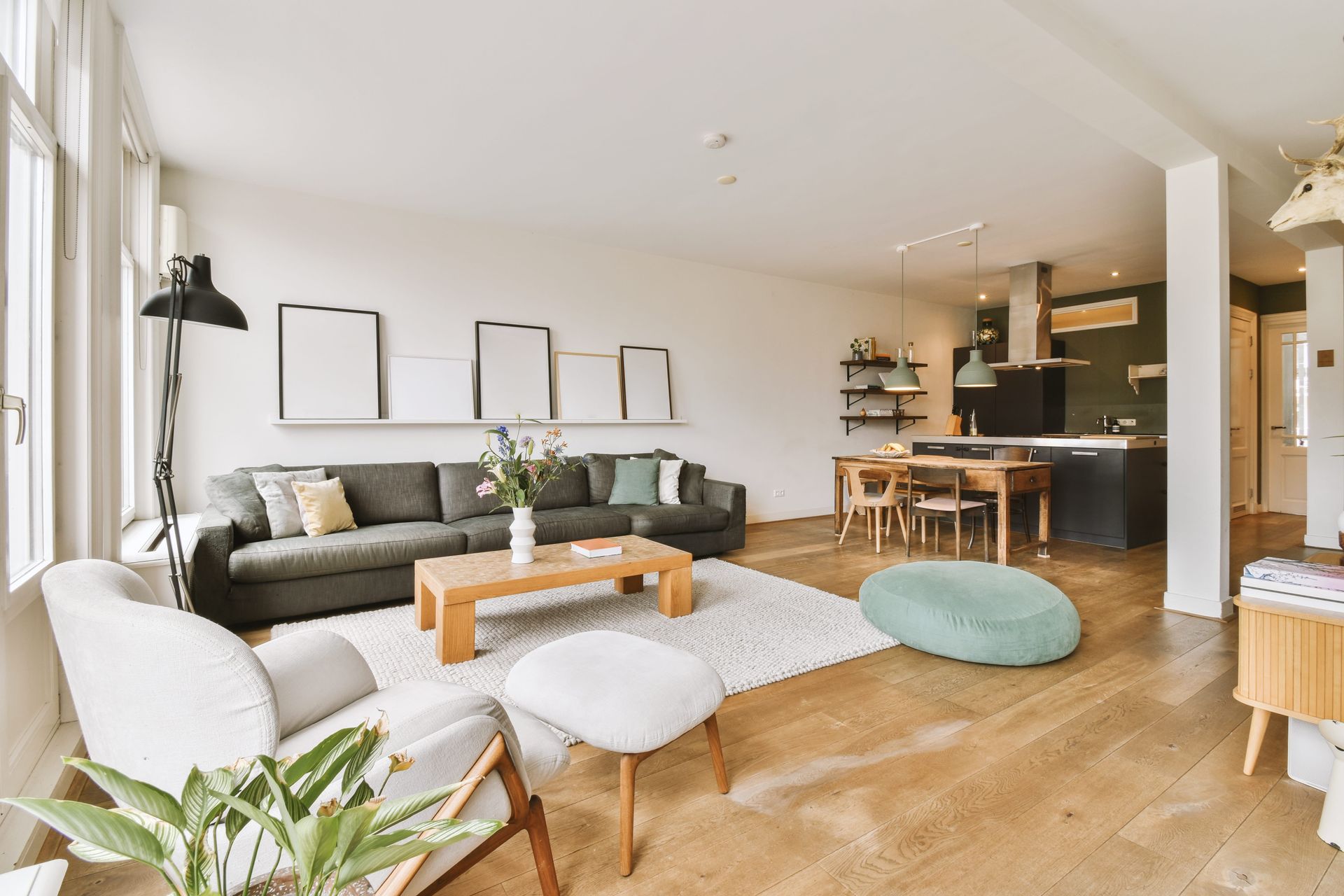
Do you want to jump into the property market but don’t have the budget to buy a house? A unit or apartment could be a great way to get your leg up on the property ladder. According to CoreLogic data, unit values are now rising at a faster rate than houses in more than half of all suburbs across Australia. Aside from being more affordable than a house, there are other benefits of apartment investing to consider. Let’s look at some of the pros and cons of investing in an apartment versus a house. Pros of investing in an apartment A more affordable entry point The median house price in Australia’s capital cities is now $975,592. Compare that to the median unit price of $669,434 and that’s a big difference at the checkout. With apartments generally being more affordable than houses, it means you’ll need to save up less of a deposit (usually around 20% of the purchase price), and you may find servicing the loan on an apartment easier too. Fewer maintenance responsibilities When you own a house, you have to foot the bill for all of the repairs and maintenance. With an apartment or unit, the costs of any repairs or maintenance in common areas is split with other unit owners, usually through a body corporate scheme. Generally speaking, there’s usually less maintenance required on a unit compared to a house. There may not be a lawn to mow, for example. Certain expenses can be more affordable Some expenses can be cheaper when you own a unit. Council rates, for example, are usually higher for houses and may even include land taxes in some states. If you’re paying smaller fees on an investment apartment, the returns on your investment can potentially be higher. Potentially higher rental yield Units often have higher rental yields than houses because you’re able to outlay less money to potentially acquire a similar rental income. This may mean you are in a better position to cover your mortgage repayments and other expenses. Cons of investing in an apartment You may need to pay strata fees In a strata scheme, you’ll need to pay body corporate fees and factor these into your ongoing budget. Strata fees can be pricey and increase over time. If there’s an onsite manager, pool, tennis courts, barbecue area and gym, expect higher fees than an apartment block with fewer facilities. There may be restrictions If you want to renovate your apartment, you may need to run the changes by the strata committee for approval, particularly if it affects the exterior of your apartment or any shared utilities. There may also be restrictions around having pets, too, which could reduce your tenancy pool. Oversupply can affect your investment If you buy an apartment in an area where loads of high-rise apartment blocks are being built, it can affect your property’s capital growth, rental yield and demand from tenants. Generally speaking, experts recommend seeking low-rise or boutique apartments in areas where planning rules cap the number of apartment buildings allowed. Want to discuss your finance options? Whether you’re looking to buy a small studio apartment, a bigger unit or a house, we can help you explore your finance options. We’ll run you through the investment loans available to you and explain which may suit you, based on your individual financial situation and goals. Get in touch today. Source: Finance Focus