FIRST HOME BUYERS

Buying your first home is an exciting milestone, but it can also feel overwhelming when everything is new and unfamiliar.
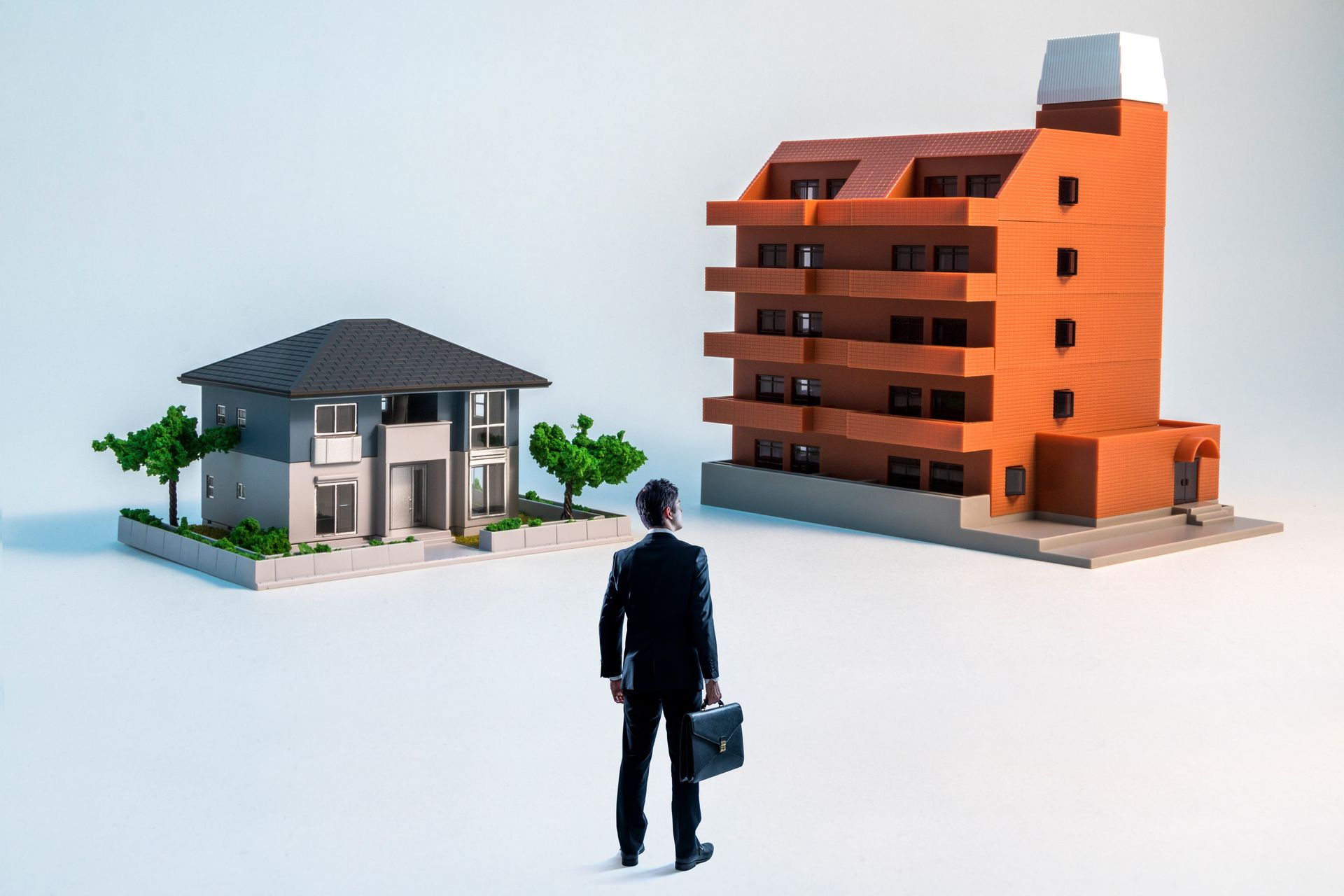
If you’re looking to buy your first home in 2026, one of the first big questions is whether an apartment or a house makes more sense for you, which often comes down to your lifestyle, financial situation and what you’re working towards.

Nothing compares to that feeling of buying your first home. If you’re planning a 2026 property purchase, saving the deposit is often one of the biggest hurdles. Careful planning and perseverance can play a role in working towards this goal. Here are some tips to help you work towards your savings target.

For many young Australians, home ownership can feel more like a distant dream than something within reach. Rising living costs, strong property price growth and slow wage increases have put real pressure on those hoping to buy their first home.
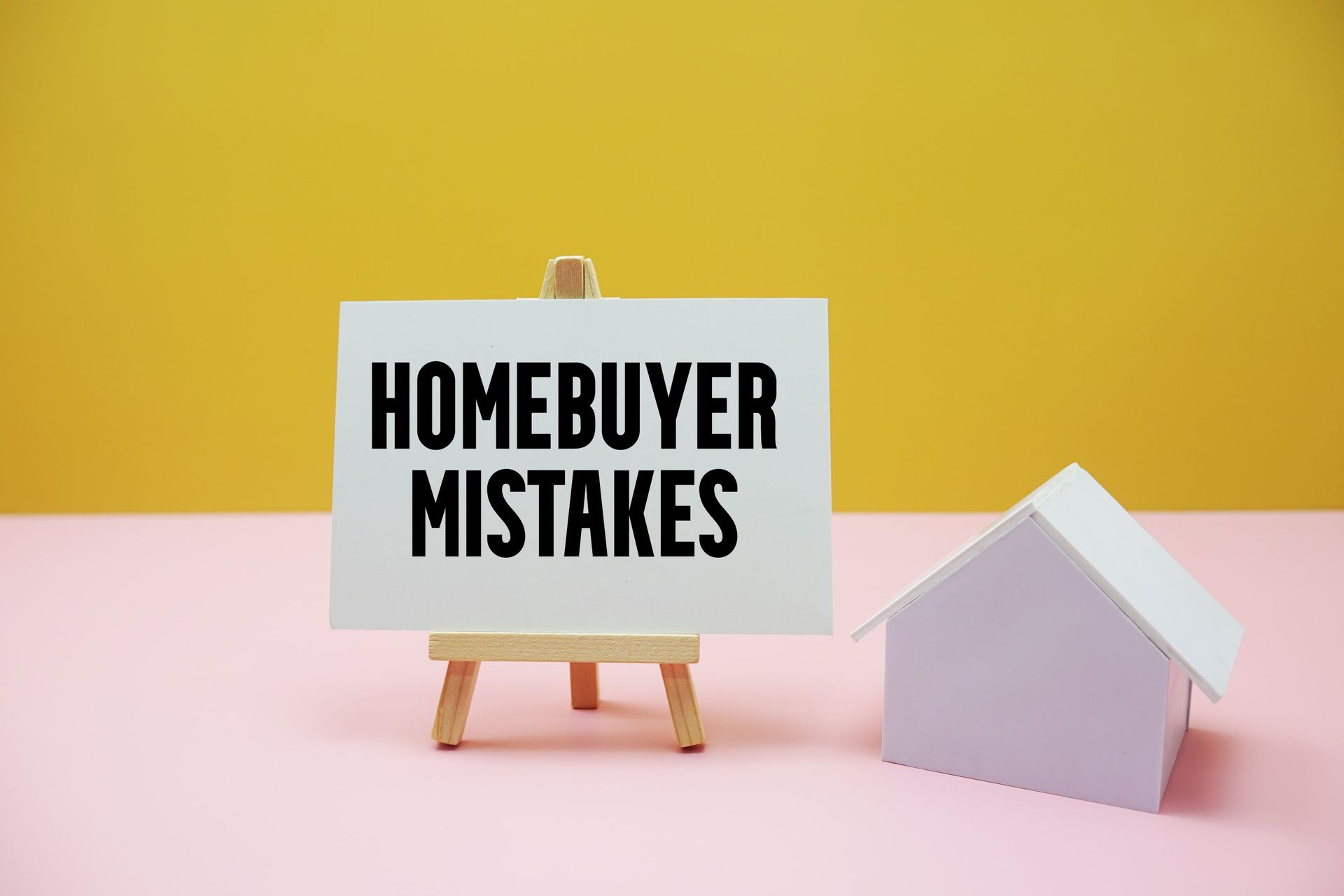
First home buyers can now purchase a property with as little as 5 per cent deposit without copping lenders’ mortgage insurance, after the government’s expanded First Home Guarantee Scheme came into effect on 1 October. It’s expected that 70,000 first home buyers will make the most of the scheme in its first year of expanded access.

From 1 October 2025, the government’s First Home Guarantee scheme will expand, making it possible for more Australians to buy a home with a deposit as low as 5%.
If you’re planning to buy your first home this spring, you’re not alone. It’s one of the busiest times in the property market, with more listings and more competition. That’s why it’s important to be well prepared.

Thinking about purchasing your own home this year? How exciting! The dream of homeownership is facing some new challenges, especially for those in their twenties. Recent data from the Australian Institute of Health and Welfare shows the rate of young adults owning a home dropped from 50% in 1971 to only 36% in the latest 2021 Census. Even for those aged 30–34, it fell from 64% to 60%. But the dream of having your own home is still very much alive! Here are 4 steps that you can take now, to put you on the path to buying your future home:

What grants and incentives can first home buyers get? As a first home buyer, you may be eligible to take advantage of various incentives and grants offered by the government. But how do you know what’s relevant to you? We’ve summarised what’s available state by state below.

With today’s cost of living pressures and the median dwelling value in Australia now at $794,000, many young Australians feel like they’ll never be able to enter the property market. However, it’s important to remember there’s no one-size-fits-all approach to buying your first property. For some, it could be a home to live in. For others, rentvesting makes more sense as it can offer a great alternative to get a foot up on the property ladder. What is rentvesting? Rentvesting is when you rent where you want to live and buy where you can afford. By rentvesting, you can earn an income from your rental property, pay off the mortgage and potentially cover the costs of owning the property, all while continuing to live in a suburb you enjoy. Why do people choose to rentvest? One of the biggest motivators of buying an investment property is the potential to make a return via capital growth. This is when your property increases in value over time. If you’re positively geared (that is, the rental return is higher than your home loan repayments and other property expenses), a rental property can also offer you an additional income stream. Another reason people choose to rentvest is that it’s another way to enter the property market, without having to purchase a home to live in. Maybe you’ve grown fond of your inner-city apartment (that’s unfortunately out of your price range) and don’t want to move out to the “burbs”? With rentvesting, you can own your own slice of real estate where you can afford and still have the flexibility to live where you want to live. What to know before going ahead with rentvesting 1. Potentially smaller deposit, but fewer government perks If you choose an investment property that’s more affordable than the home you intend to live in one day, your deposit will be smaller. It might be easier to save a deposit if you go down the rentvesting route. However, because you’re an investor and not a first-home buyer, you won’t benefit from government schemes such as the First Home Owner Grant and First Home Super Saver Scheme , which would only apply if you were living in the property. 2. There are ongoing costs to factor in If you’re rentvesting, you’ll need to budget for all of the costs associated with owning the property (e.g. the mortgage repayments, management fees, rates, water bills, maintenance, insurance, and strata levies if it’s under a body corporate scheme). Keep in mind, the rental income may cover some, if not all, of these costs. You’ll also need to cover your own rent too. 3. Investor loans could come with higher interest rates As a rentvestor, you will have an investor loan. These typically come with higher interest rates than owner-occupier home loans. This means your mortgage repayments may be larger than if you were living in your own home. 4. There will be tax implications At tax time, your accountant will ask for information about your investment property, including the rental income and expenses (most of which can be claimed as tax deductions ). Your accountant can guide you about the tax implications of owning a rental property, such as the potential for capital gains tax (if your property goes up in value) when it comes time to sell. Like to know more? If you want to get started in the property market sooner rather than later, rentvesting could be the way to go. To explore your finance options, get in touch . We’ll help you work out whether rentvesting is right for you.